Accident and Injury Scene Cleanup
In public spaces, homes and workplaces, injury and accident scene cleanup addresses the area.
See accident and injury scene cleanupGet blood, bodily fluids, contaminated materials and odor addressed after an accident, injury or violent event in Wadesville. Trauma scene cleanup begins after officials release the property.

Professional biohazard cleaning of hazardous materials, including bodily fluids and blood, is called trauma scene cleanup when they remain after violence, an accident or serious injury. It may take place in a home, workplace, vehicle or public building.
Law enforcement must finish its duties, as must emergency response personnel, before the scene is released and work starts. Technicians then locate affected spaces and establish boundaries. Materials that cannot be disinfected are removed, while surfaces that remain are cleaned. Trauma cleaning, biohazard remediation and trauma scene cleaning are other names for this process.
Professional cleanup goes beyond what ordinary cleaning services do because it traces contamination beneath and behind surfaces. Blood can penetrate subfloor, carpet pad, wall cavities, seams and unfinished wood. Rather than cleaning only what can be seen, technicians follow that route. Hazardous waste packing, odor removal, insurance company records and air quality work may be included as well.
The scope of every situation is different. You can have crews explain the process, preserve personal property where possible and keep trauma cleanup distinct from later restoration work, including replacement of flooring or drywall.
Important belongings are separated and discussed with you whenever safe cleaning or recovery may be possible.
Discussions with landlords, insurance companies or managers can be supported by pictures, the cleanup scope and existing disposal documentation.
Crews arrive in unmarked vehicles, and the work area is kept controlled so you can protect your privacy during a difficult time.
The team explains affected areas, belongings that may stay, materials that must go and circumstances that can shift the scope ahead of cleanup.
Trauma cleaning services may be needed if an event creates a biological hazard beyond the reach of ordinary household cleaning. Common examples are:
Private cleanup keeps loved ones away from the physical scene while the affected room receives thoughtful care. When immediate emotional danger is present, contact the 988 Suicide and Crisis Lifeline by call or text.
A violent crime or assault can affect many surfaces, with evidence residue left after law enforcement releases the property.
Blood and bodily fluids can enter seat foam, carpet, door seams and ventilation paths after an injury or accident inside a vehicle.
A fall, machinery injury or other accident can leave blood across hard surfaces and inside cracks, textiles or equipment.
Protecting people comes first. You also need to preserve any investigation still underway and limit the spread of contamination. Take the following steps before trauma cleaners enter:
Call (888) 440-9227An usual trauma scene cleanup costs $2,500 to $7,500 in published guides, with smaller scenes near $500 and the largest listed at $8,000 per job. This is planning information only. One affected area and a scene that spans rooms or structural materials are priced very differently, so the on-site assessment sets your scope.
The figures shown are national ranges from published cost guides and are not based on an on-site visit. An on-site assessment determines your property's price, which is explained to you before the cleanup starts.
Ask about cost: (888) 440-9227Homeowners, renters or commercial property insurance may cover trauma scene cleanup when the event qualifies under the policy, but coverage, deductibles and documentation requirements vary.
Ask the insurance company if the policy for this event includes personal property, restoration, biohazard cleanup and removal of affected materials.
A property manager or business owner may report the event through the applicable policy and ask what scope records, photographs and invoices to submit.
Who arranges payment may depend on the lease, insurance coverage and where the incident occurred. Ask the property owner and insurer before authorizing non-urgent restoration work.
Victims of violent crime can ask the Indiana Violent Crime Victim Compensation Program, run by the Indiana Criminal Justice Institute, about cleanup. The program lists crime scene cleanup as an eligible expense for crimes after July 1, 2022. Insurance is usually checked first.
Assessment comes first in the trauma scene cleaning process, followed by removal at the source, disinfection and final documentation. The event, affected materials and number of impacted areas determine the precise scope.
Cleanup technicians identify visible and possible contamination, note material types and define the work area without disturbing anything still controlled by officials.
Controlled access routes and barriers reduce movement into surrounding areas. Cleanup technicians wear personal protective equipment suited to the hazards.
Potentially recoverable items are separated from contaminated materials. Sentimental belongings are discussed with you before removal whenever conditions allow.
Carpet, padding, unfinished wood, drywall, upholstery or other porous materials are removed when bodily fluids have entered them and full disinfection is not possible.
Remaining surfaces are cleaned before an EPA-registered disinfectant is applied for the label's full contact time. Cleaning first helps the disinfectant reach the surface.
Applicable local waste rules guide how contaminated debris and cleanup materials are packaged, marked and taken away for disposal.
Once the source has been removed, remaining particles or smells in the work zone may be addressed with HEPA filtration and other odor treatments.
The finished scope, photos and available waste records can be organized for property owners, insurance companies or property managers.

Call at any time. A specialist in trauma scene cleanup takes your call, explains each step and agrees on a start time with you.
Trauma scenes can create serious health risks because bloodborne pathogens, sharp objects and contamination inside porous materials are not always visible.
Blood may contain HIV, hepatitis C or hepatitis B. The CDC says hepatitis B can survive on surfaces for at least seven days, so dry blood still needs careful treatment.
Biohazard waste rules may require controlled disposal and packaging for removed porous items, cleanup materials and protective equipment that has been used.
Bodily fluids may travel beneath baseboards, pass through carpeting into the pad and subfloor, or reach the space behind damaged finishes. Wiping the visible surface may leave contamination in place.
Can you clean it yourself? You can clean a very small amount of blood from a hard surface without pores by wearing disposable gloves and following the full contact time for an EPA-registered disinfectant. Professional trauma cleanup is appropriate when sharps are present, absorbent material is affected, the limits are uncertain or blood extends beyond a small surface area.
The time needed depends on the size of the affected area, the materials involved, waste removal and odor conditions. An assessment is needed before a reliable schedule can be set.
| Scene | Typical time on site |
|---|---|
| Limited surface contamination | Shorter when the boundary is clear and surfaces are non-porous |
| One room with porous materials | Removal of carpet, pad, furnishings or drywall can lengthen the work |
| Several areas or structural impact | Containment, extensive material removal and odor work can extend the timeline |
The source must be identified and removed before odor can be addressed. If bodily fluids are inside an absorbent material such as carpet pad, drywall, subfloor or upholstery, paint, surface spray and fragrance cannot fix the cause.
Contaminated materials are taken away first, and surfaces that remain are cleaned. At that point, airborne particles may be filtered with HEPA air scrubbers. The specific odor and space can call for another treatment. If air movement may have spread odor, nearby rooms and openings to the HVAC system should also be examined.
The OSHA Bloodborne Pathogens Standard, 29 CFR 1910.1030, requires certain protective equipment, training, exposure controls and associated practices where employees may encounter blood.
Choose an EPA-registered disinfectant for the intended application and keep the surface wet throughout the contact time printed on the label.
Indiana treats soaked materials from a biohazard scene as infectious waste. Indiana Department of Health rules control containment, labeling and transport, and IDEM regulates offsite management, so it cannot go in household trash.
Indiana relies on elected county coroners to investigate deaths, and the state has no statewide medical examiner. Cleanup starts after police or the coroner release the scene.
The full trauma scene cleanup guide covers what is cleaned or removed, odor and air quality work, and the rules that apply in Indiana and Posey County.
Read the full trauma scene cleanup guide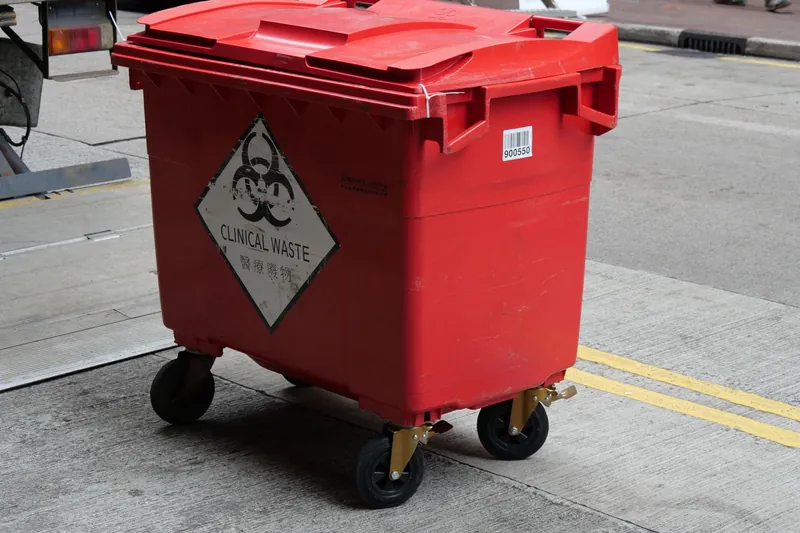
Local population patterns, housing and site access may affect how containment and cleanup are planned.
The 26.6% renter share suggests many residents can make direct decisions about removing contaminated flooring, walls, or personal items.
The 1979 median year matters during odor work because cabinets, wall cavities, and floor layers can hold the source.
Although the share is 17.4%, seniors living alone can still face delayed discovery after an illness, injury, or death.
In this housing mix, fluids may affect a private subfloor or cross into a shared wall cavity, depending on the building.
Ask on the call about cleanup options for neighboring communities and ZIP codes.
In public spaces, homes and workplaces, injury and accident scene cleanup addresses the area.
See accident and injury scene cleanup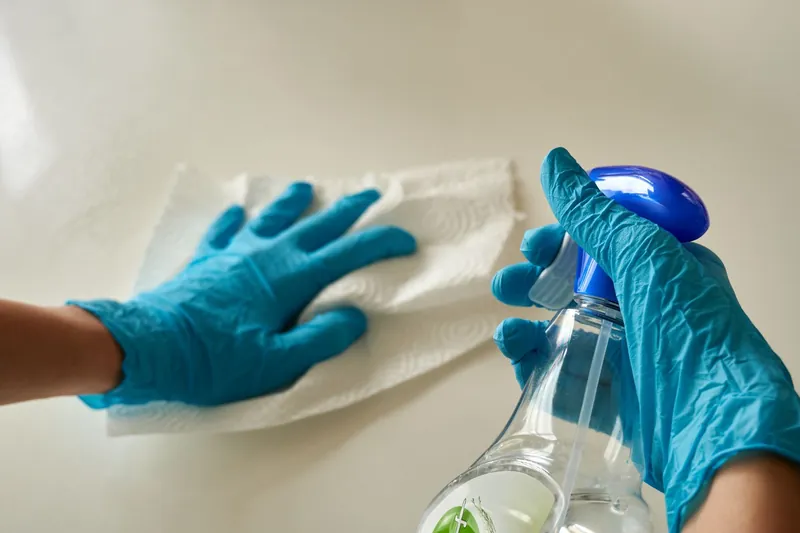
Blood cleanup on carpet, hard floors, walls and furniture with safe disposal.
See blood cleanup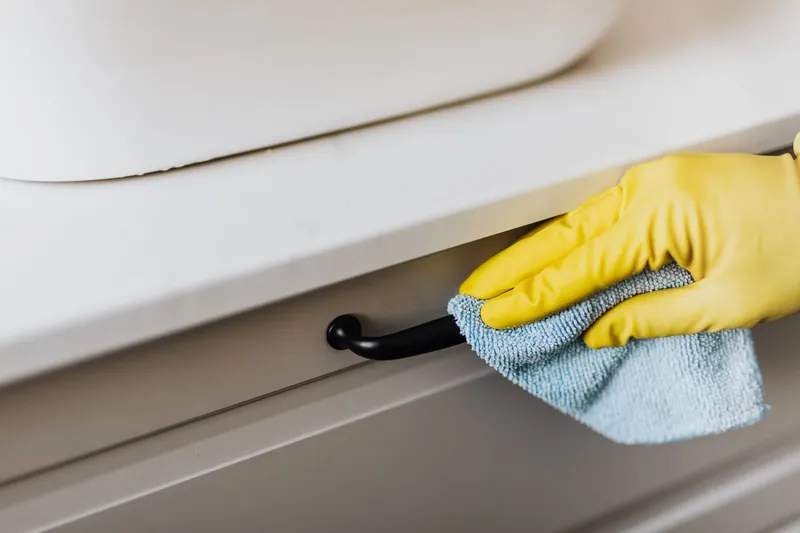
Homes, care environments and businesses receive bodily fluid cleanup and disinfection.
See bodily fluid cleanup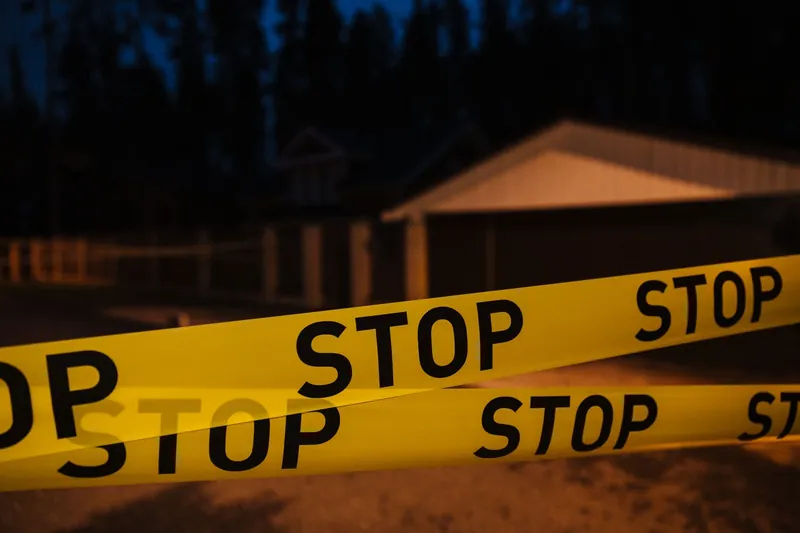
After police release the property, crime scene cleaning addresses blood and odor.
See crime scene cleanup
Private, careful suicide cleanup so families do not have to face the scene.
See suicide cleanup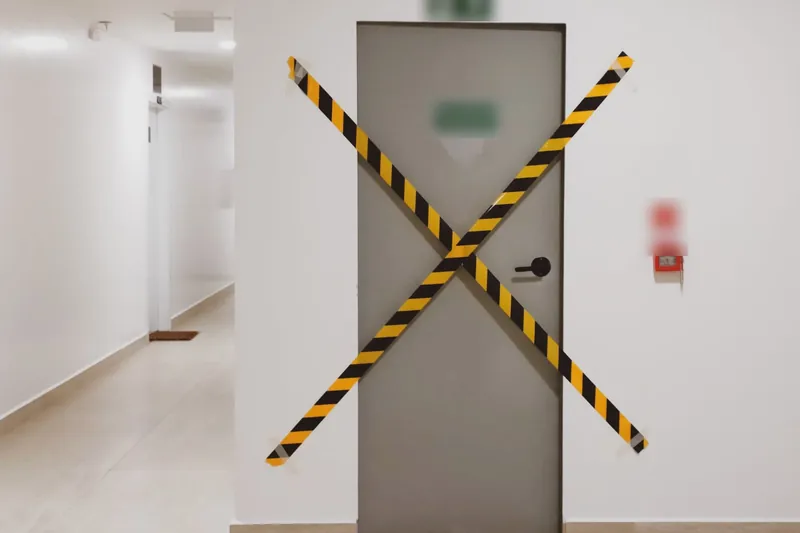
After investigators depart, homicide cleanup removes blood, tissue and contaminated materials.
See homicide cleanup
After a person dies at home, cleanup addresses fluids, odors and belongings that were affected.
See death cleanup
Biological remediation removes contamination so the space can be safely used again.
See biohazard remediationA qualifying event can allow a homeowners policy to cover the related trauma cleanup. Coverage does not apply automatically to all losses. Before work starts if possible, report the event to the insurance company, specifically discuss restoration and biohazard cleanup, and note the deductible and needed documents.
Access arrangements, important item identification and scope approval may require your input, though you normally do not have to remain for the cleaning process. Before leaving, ask who can approve decisions and how progress will be communicated. Stay outside containment and keep children, pets, employees and visitors away.
Published cost guides vary greatly. A biohazard cleanup company cost guide lists trauma scene cleanup at $2,500 to $7,500, while the Afterhazard pricing guide publishes a $500 to $8,000 span. Site conditions such as the amount of blood, number of rooms, impacted materials, waste disposal and odor treatment shape the scope.
Under local procedures, a coroner, medical examiner or other authorized person coordinates removal of the deceased. That task is not performed by trauma cleaners. Before cleanup technicians start scene cleanup, officials must release the property. Reachable surfaces are disinfected, and technicians remove blood, materials beyond cleaning and bodily fluids before arranging waste disposal under regulations.
Biological contamination left by violent events, deaths, major injuries and accidents falls within trauma cleanup. Crime scene cleanup is a related term used when a criminal event or investigation is involved. Once the scene is released, controlled waste disposal, odor treatment and blood cleanup may accompany containment, porous material removal and use of EPA-registered disinfectants in both services.
Cleanup begins by assessing the scene and containing the work area. Technicians wearing protective equipment remove items that cannot be disinfected, clean soil from remaining surfaces, apply an EPA-registered disinfectant for its full contact time and address odor at the source. Contaminated waste is packaged for disposal, then the completed scope can be documented.
You can request respectful, discreet trauma scene cleanup 24 hours a day, and crews use unmarked vehicles.